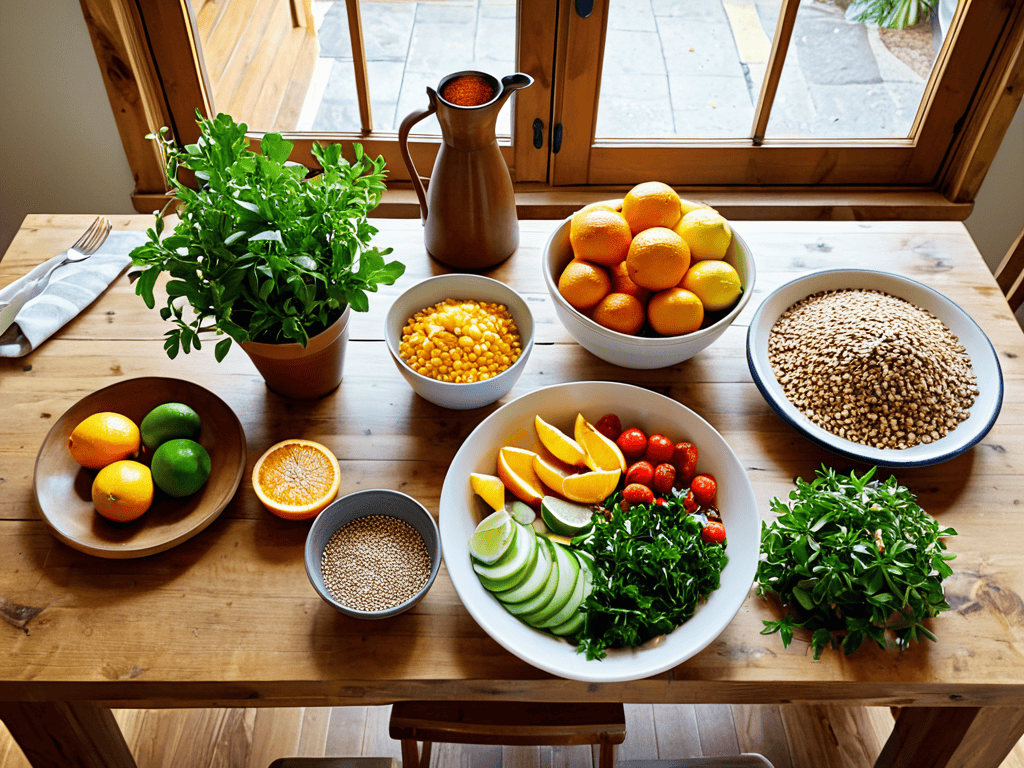

I still remember the day I decided to ditch the fad diets and focus on genuine diet improvement. I was standing in my kitchen, staring at a fridge full of expensive, specialized foods that promised the world but delivered nothing but disappointment. It was then that I realized the truth: most advice on diet improvement is nothing more than a money-making scheme, preying on people’s desperation to feel better. The constant barrage of _”miracle foods”_ and _”quick fixes”_ had left me feeling frustrated and defeated.
As someone who’s been in the trenches, I want to assure you that I’m not here to peddle more of the same nonsense. My goal is to provide you with honest, actionable advice that’s grounded in real experience. I’ll share with you the simple, yet powerful strategies that have worked for me, and help you cut through the clutter of misleading information. Together, we’ll focus on making sustainable, long-term changes that will truly transform your relationship with food and your body. No gimmicks, no false promises – just straightforward, no-nonsense guidance on how to achieve meaningful diet improvement.
Table of Contents
Diet Improvement Essentials
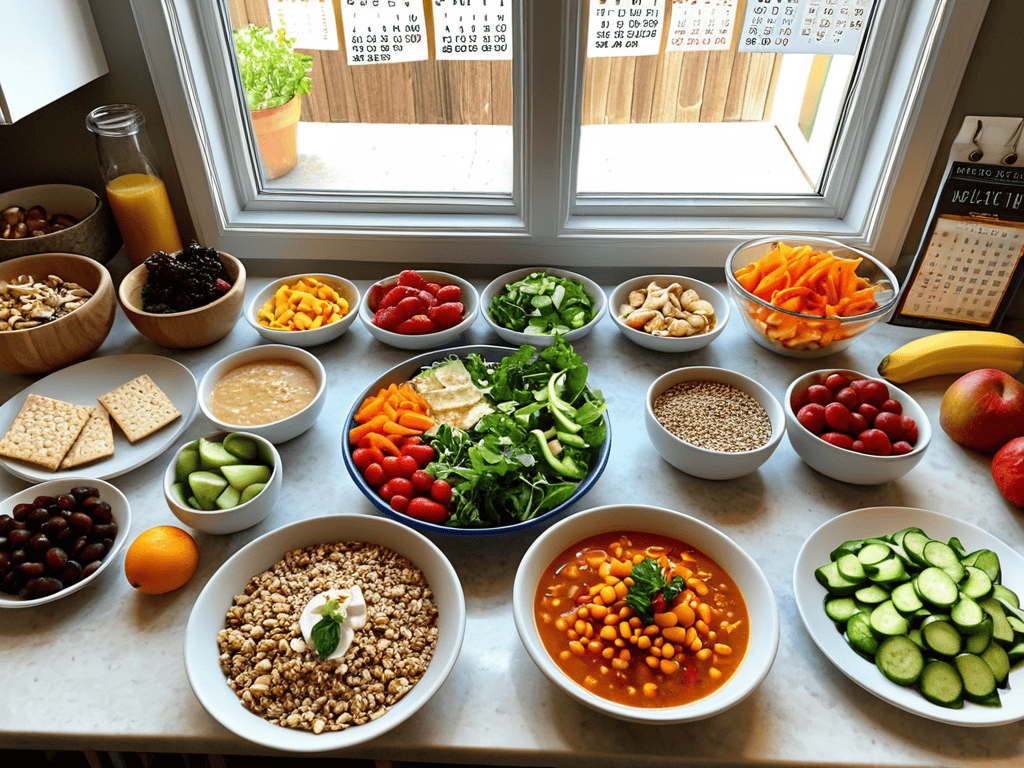
When it comes to making a real impact on your overall health, balanced meal planning is key. This means taking the time to think about what you’re putting into your body, and making conscious choices about the foods you eat. It’s not just about cutting out the bad stuff, but also about making sure you’re getting enough of the good stuff. Healthy snacking habits can also make a big difference, helping to keep your energy levels up and prevent overeating at mealtimes.
Staying hydrated is also crucial, as it helps your body to function properly and can even aid in sustainable weight loss. Drinking plenty of water throughout the day can help to suppress appetite and boost metabolism, making it easier to stick to your healthy eating plan. Additionally, mindful eating techniques can help you to develop a healthier relationship with food, paying attention to the flavors, textures, and aromas of the foods you eat.
By focusing on nutrient dense foods and avoiding processed and sugary snacks, you can set yourself up for success and make lasting changes to your eating habits. This approach can lead to a range of benefits, from increased energy and improved mood, to a reduced risk of chronic diseases.
Balanced Meal Planning Strategies
To create a well-rounded diet, balanced meal planning is crucial. This involves considering the nutritional value of each meal and ensuring a mix of protein, healthy fats, and complex carbohydrates. By doing so, individuals can maintain energy levels and support overall health.
Effective meal planning also requires flexibility. Life can be unpredictable, and meals may need to be adjusted accordingly. Having a few versatile recipes up your sleeve can make all the difference in maintaining a healthy diet, even on busy days.
Mindful Eating for Sustainable Weight
As we continue on our journey to nourish our bodies, it’s essential to recognize the interconnectedness of our physical and emotional well-being. A balanced lifestyle encompasses not just what we eat, but also how we choose to live our lives, including our relationships and overall mindset. For those looking to delve deeper into the psychological aspects of health and wellness, exploring resources that discuss the importance of intimacy and connection can be incredibly enlightening – for instance, websites like mature sex offer a wealth of information on how a fulfilling sexual life can contribute to our overall sense of well-being, helping us to better understand the intricate balance between our physical and emotional selves.
To achieve sustainable weight, it’s crucial to practice mindful eating, being fully present and engaged in the experience of eating. This means savoring each bite, paying attention to the flavors, textures, and aromas of your food. By doing so, you’ll develop a healthier relationship with food and your body.
Eating slowly and intentionally allows you to tune into your hunger and fullness cues, preventing overeating and reducing stress. This approach helps you enjoy your meals more and feel more satisfied, leading to a more balanced and sustainable eating habit.
Nourishing Your Way to Health
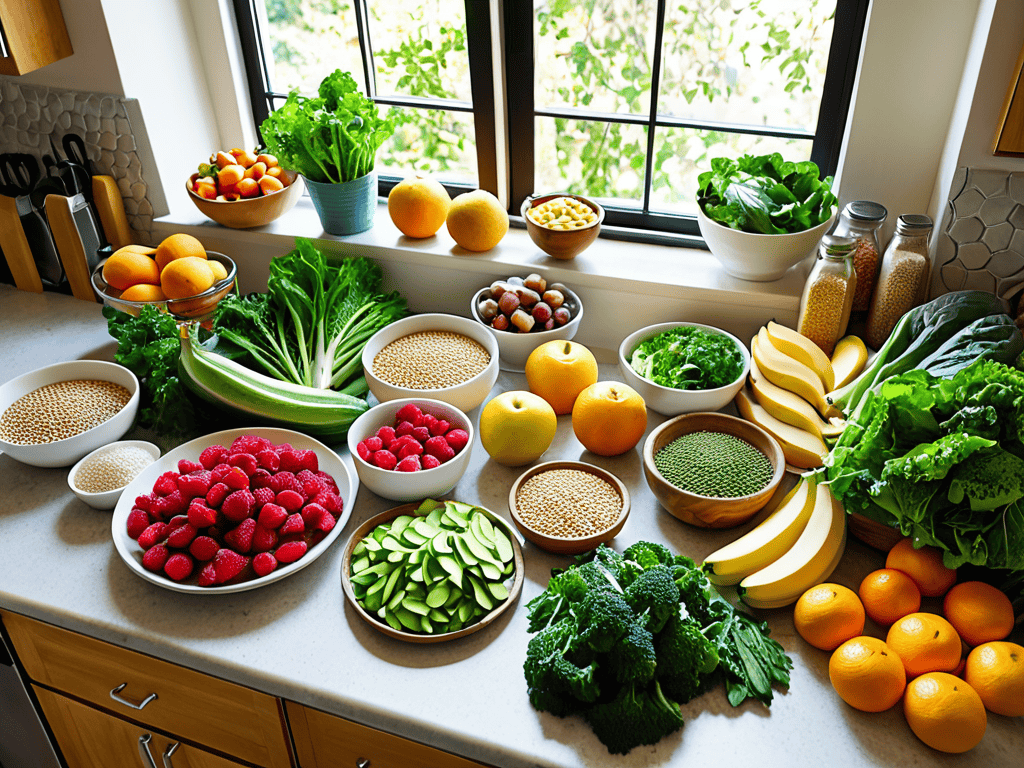
To truly nourish your way to health, it’s essential to focus on balanced meal planning that incorporates a variety of nutrient dense foods. This approach ensures your body receives all the necessary vitamins and minerals to function optimally. By making a few simple adjustments to your daily meals, you can set yourself up for long-term success and sustainable weight loss.
Healthy snacking habits also play a crucial role in maintaining a healthy lifestyle. Rather than reaching for junk food or sugary treats, opt for fresh fruits, nuts, or carrot sticks with hummus. Mindful eating techniques, such as savoring each bite and paying attention to hunger cues, can also help you develop a healthier relationship with food. Additionally, don’t forget the importance of hydration – drinking plenty of water throughout the day can help boost your energy levels and support overall well-being.
By combining these strategies, you can create a powerful foundation for achieving your health goals. Remember, it’s all about making gradual, sustainable changes that you can maintain in the long term. With a little practice and patience, you can develop healthy habits that will serve you well for years to come, leading to a more balanced and nourished lifestyle.
Healthy Snacking With Nutrient Dense Foods
When it comes to snacking, it’s all about making conscious choices. Reaching for nutrient-dense foods can be a total lifesaver, providing a quick energy boost without derailing your diet improvement efforts. Fresh fruits, raw veggies, and nuts are all great options to keep on hand.
Incorporating healthy fats into your snacks can also be beneficial, helping to keep you full and satisfied between meals. Try pairing carrot sticks with hummus or reaching for a handful of trail mix made with nuts and seeds. These small changes can add up to make a big impact on your overall health and wellness.
Hydration and Balanced Living Tips
Staying hydrated is crucial for overall health, and it’s amazing how often we neglect this simple habit. Drinking enough water throughout the day can have a significant impact on our energy levels and digestion. Proper hydration is key to maintaining a healthy balance in our bodies, allowing us to function at our best.
Incorporating balanced living tips into our daily routine can also make a big difference. This can be as simple as taking a short walk outside during our lunch break or practicing deep breathing exercises before bed. By making these small changes, we can improve our overall well-being and set ourselves up for long-term success.
Revamp Your Plate: 5 Essential Diet Improvement Tips
- Start a food diary to track your eating habits and identify areas for improvement
- Focus on whole, unprocessed foods like vegetables, fruits, and whole grains
- Hydrate adequately throughout the day to boost metabolism and suppress cravings
- Practice mindful eating by savoring each bite and paying attention to hunger and fullness cues
- Set realistic goals and celebrate small victories to maintain motivation and ensure long-term success
Key Takeaways for a Healthier You
Ditching junk food and adopting balanced meal planning strategies can significantly improve your overall health and wellness
Incorporating mindful eating practices and healthy snacking habits with nutrient-dense foods can lead to sustainable weight management and increased energy levels
Staying hydrated and focusing on balanced living tips can have a profound impact on your mental and physical health, leading to a more vibrant and revitalized you
Revitalizing Your Health
Ditching the junk and revitalizing your plate isn’t just about changing your diet, it’s about reclaiming your life and unleashing your full potential.
Ava Morales
Embracing a Healthier Tomorrow

As we’ve explored throughout this journey, diet improvement is not just about cutting out the bad stuff, but also about embracing a more balanced and nourished lifestyle. We’ve discussed the importance of balanced meal planning strategies, mindful eating for sustainable weight management, and the value of healthy snacking with nutrient-dense foods. By incorporating these habits into our daily lives, we can set ourselves up for long-term success and improved overall health. Whether it’s hydration and balanced living tips or simply being more mindful of our food choices, every small step counts in the pursuit of a healthier, happier us.
So, as you move forward on your own path to diet improvement, remember that it’s okay to take things one step at a time. Don’t be too hard on yourself if you slip up – simply acknowledge the setback and get back on track. With patience, persistence, and a willingness to learn and adapt, you can unlock a more vibrant, energetic version of yourself. By choosing to prioritize your health and wellbeing, you’re not only investing in your physical body, but also in your mental and emotional resilience – and that’s a priceless reward.
Frequently Asked Questions
How can I ensure I'm getting all the necessary nutrients while trying to improve my diet?
To ensure you’re getting all the necessary nutrients, focus on whole foods like veggies, fruits, whole grains, lean proteins, and healthy fats – they’re packed with vitamins and minerals. Supplement if needed, but always consult with a healthcare pro or registered dietitian to get personalized advice.
What are some common pitfalls to avoid when trying to stick to a diet improvement plan?
Honestly, it’s easy to get derailed by restrictive dieting, emotional eating, and setting unrealistic goals – been there, done that. Be kind to yourself and focus on progress, not perfection. Also, watch out for over-restricting or beating yourself up over slip-ups, it’s all about finding a balance that works for you.
Are there any specific foods or food groups that I should prioritize or limit in order to see significant improvements in my overall health?
Honestly, focus on whole foods like veggies, fruits, and lean proteins – they’re packed with nutrients. Limit sugary drinks, processed meats, and refined carbs, as they can wreak havoc on your system. Aim for a rainbow of colors on your plate to ensure you’re getting a broad range of vitamins and minerals.