

As I sat in a quaint café in Paris, watching the rain dance across the cobblestone streets, I realized that Climate-Adaptive Travel isn’t just about escaping the chaos of our ever-changing world – it’s about embracing the beauty of a world in flux. The myth that climate-adaptive travel is only for the adventurous or the wealthy is a frustrating one, as I’ve found that with the right mindset and knowledge, anyone can harmonize their wanderlust with the planet’s vibrant beat. My own experiences, from navigating the vibrant streets of Tokyo to the historic architecture of Rome, have taught me that climate-adaptive travel is not just a necessity, but an opportunity to discover hidden gems and unique cultural experiences.
In this article, I promise to share my honest, no-hype advice on how to embark on your own climate-adaptive travel journey. You’ll learn how to listen to the rhythms of the earth, from predicting weather patterns to finding sustainable accommodations, and how to transform your travels into extraordinary experiences that not only minimize your impact on the environment but also enrich your understanding of the world’s diverse cultures and aesthetics. By the end of this guide, you’ll be equipped with the practical tools and inspiration needed to turn your travels into a vibrant tapestry of memories, woven from the threads of vibrant elegance and whimsical sophistication.
Table of Contents
Project Overview

Total Time: several days to several weeks
Estimated Cost: $500 – $2,000
Difficulty Level: Intermediate / Hard
Tools Required
- Portable Water Filter ((for safe drinking water))
- First Aid Kit ((with essentials for basic medical care))
- Solar-Powered Charger ((for charging electronic devices))
- Waterproof Bags ((for protecting gear from the elements))
Supplies & Materials
- Lightweight Rain Gear ((jacket and pants))
- Insulated, Waterproof Backpack ((approximately 20 inches in length))
- Climate-Resilient Clothing ((breathable, moisture-wicking fabrics))
- Map and Compass ((with extra batteries for the compass))
- Emergency Shelter ((such as a lightweight tent or tarpaulin, approximately 6 feet by 8 feet in size))
Step-by-Step Instructions
- 1. First, research your destination thoroughly to understand the local climate and any potential weather-related challenges you may face during your trip. I like to immerse myself in the vibrant culture of the place I’m visiting, and that includes learning about the local environment and how it may impact my travel plans. This step is crucial in helping you prepare for any eventuality and making the most of your climate-adaptive travel experience.
- 2. Next, pack smart by choosing clothing and gear that can adapt to changing weather conditions. As someone who loves sketching unique color palettes inspired by the vibrant streets and historic architecture of her travels, I always make sure to pack lightweight, versatile pieces that can be easily mixed and matched to suit different weather conditions. This not only helps reduce luggage space but also ensures that you’re prepared for any unexpected weather changes.
- 3. Then, plan your itinerary according to the local climate and weather forecasts. I find that creating a flexible schedule allows me to make the most of my time at each destination, whether that means adjusting my daily plans to avoid extreme weather conditions or taking advantage of unexpected sunny days to explore outdoor attractions. By being mindful of the weather, you can minimize disruptions to your travel plans and make the most of your time on the road.
- 4. When it comes to accommodations, look for hotels, resorts, or vacation rentals that have implemented sustainable practices and climate-resilient designs. As a boutique interior stylist, I’m drawn to spaces that not only reflect the local culture but also incorporate eco-friendly elements and innovative designs that can withstand extreme weather conditions. By choosing climate-adaptive accommodations, you’re not only reducing your carbon footprint but also supporting local businesses that prioritize sustainability.
- 5. To stay safe during your climate-adaptive travel, make sure to stay informed about local weather conditions and any potential hazards such as floods, landslides, or heatwaves. I always check the local news and weather forecasts before heading out each day, and I also make sure to pack a portable charger for my phone and other essential devices in case of emergencies. By being prepared and staying informed, you can minimize risks and ensure a safe and enjoyable travel experience.
- 6. Next, engage with local communities to learn more about their experiences with climate change and how they’re adapting to it. I find that listening to local stories and learning from their traditions is one of the most rewarding aspects of climate-adaptive travel, as it allows me to gain a deeper understanding of the local culture and environment. By engaging with local communities, you can gain valuable insights into the impact of climate change on local ecosystems and learn about innovative solutions that are being implemented to mitigate its effects.
- 7. Finally, reflect on your journey and think about how you can apply the lessons you’ve learned from your climate-adaptive travel to your daily life. As someone who loves sketching unique color palettes, I find that reflecting on my travels helps me to identify new sources of inspiration and think creatively about how I can incorporate sustainable practices into my own design work. By reflecting on your journey, you can distill the essence of your climate-adaptive travel experience and apply it to your own life, whether that means making eco-friendly changes to your home or inspiring others to adopt sustainable practices.
Climate Adaptive Travel

As I delve into the world of sustainable tourism, I’ve come to realize that embracing the unknown is key to a truly immersive experience. When planning my journeys, I consider carbon offsetting for flights to minimize my ecological footprint. This small step has a significant impact on reducing greenhouse gas emissions, allowing me to explore the world with a clearer conscience.
My travels have taken me to breathtaking eco_lodges, where environmentally friendly stays are not only a priority but a way of life. These hidden gems showcase the perfect blend of traditional architecture and modern sustainable practices, inspiring me to incorporate similar elements into my interior design work. By supporting sustainable tourism practices, we can preserve the beauty of our planet for future generations.
As a boutique interior stylist, I’m drawn to climate_resilient travel destinations that embody the spirit of vibrant elegance. From the colorful streets of Europe to the historic architecture of Asia, each location tells a unique story. By choosing green transportation options, travelers can further reduce their environmental impact, ensuring a more harmonious journey.
Carbon Offsetting Flights With Green Transport
As I reflect on my journeys, I’ve come to realize that even the most eco-conscious travelers often overlook the carbon footprint of their flights. That’s why I’ve made it a point to prioritize carbon offsetting whenever possible. By investing in green transport initiatives, such as reforestation programs or renewable energy projects, we can effectively balance out the emissions from our flights. It’s a small step, but one that can make a significant impact when combined with other sustainable practices. I’ve found that many airlines now offer carbon offsetting options, making it easier than ever to make a positive difference.
Eco Lodges for Sustainable Stays
As I’ve had the privilege of staying in eco-lodges from the Tuscan countryside to the bamboo forests of Bali, I’ve fallen in love with the way these sustainable sanctuaries weave local culture and environmental stewardship into every detail. From recycled materials and renewable energy sources to community-driven initiatives and organic gardens, each eco-lodge tells a unique story of harmony with nature. The rustic charm of a reclaimed wood cabin or the sleek sophistication of a green-roofed villa – every space is a testament to the beauty of living in sync with the planet’s rhythms.
In these havens, I find inspiration for my own design work, where the boundaries between indoors and outdoors blur, and the vibrant colors of the surrounding landscape become the palette for interior styling. The jazz rhythms that often accompany my creative process seem to echo the natural world’s own harmonies, reminding me that sustainable design is not just a choice, but a celebration of life’s intricate melodies.
Harmonizing with the Planet: 5 Whimsical Tips for Climate-Adaptive Travel
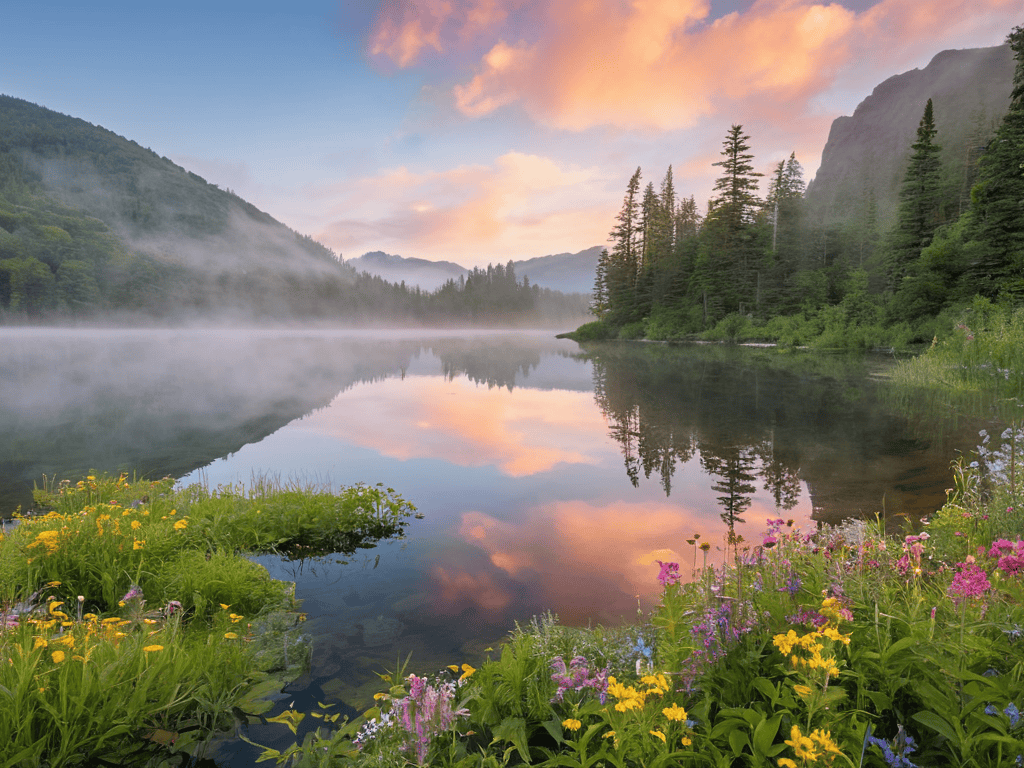
- Embrace the Local Rhythm: Immerse yourself in the unique cultural and environmental cadence of each destination, just as a jazz melody weaves together disparate notes to create a harmonious whole
- Vibrant Voyage Planning: Consider the carbon footprint of your travels and opt for sustainable modes of transportation, such as trains or eco-friendly flights, to minimize your impact on the planet’s rhythm
- Eco-Chic Accommodations: Choose lodgings that not only reflect the local aesthetic but also incorporate environmentally conscious practices, much like a beautifully designed interior that balances form and function
- Resonate with the Environment: Engage with local communities and support conservation efforts that preserve the natural beauty and unique character of each destination, allowing the planet’s vibrant energy to resonate within you
- Improvising with the Elements: Be prepared for the unexpected and remain flexible when faced with the challenges of climate-adaptive travel, just as a skilled jazz musician improvises in response to the dynamic interplay of their fellow musicians
Harmonizing Travel with the Planet's Rhythm: 3 Key Takeaways
As I reflect on my journeys through Europe and Asia, I’ve come to realize that climate-adaptive travel is not just about minimizing our footprint, but about embracing the vibrant beauty of a world in flux, and finding magic in the unexpected rhythms of the earth.
By choosing eco-lodges and sustainable stays, we not only reduce our carbon footprint but also immerse ourselves in the local culture, allowing the unique melodies of each place to resonate deep within us, much like the improvisational solos of my favorite jazz records.
Ultimately, climate-adaptive travel is about finding a harmonious balance between our wanderlust and the planet’s vibrant beat, recognizing that every journey is an opportunity to compose a unique melody that blends tradition and innovation, elegance and whimsy, in the ever-unfolding symphony of life.
Embracing the Rhythm of the Earth
As we wander through the vibrant tapestry of our planet, climate-adaptive travel reminds us that the beauty of a place is not just in its landscapes, but in the resilience of its spirit – and that our journeys can be a symphony of discovery, not a discord of destruction.
Bella Calhoun
Conclusion
As I delve into the world of climate-adaptive travel, I’ve come to realize that embracing local cultures is just as important as reducing our carbon footprint. One of the most fascinating ways to immerse yourself in the community is by staying in eco-lodges that not only offer sustainable stays but also provide a glimpse into the traditional way of life. For instance, I stumbled upon a wonderful resource that highlights the best eco-lodges around the world, and it’s been a game-changer in planning my trips – you can find it by visiting british milf chat, which might seem like an unconventional source, but trust me, their off the beaten path recommendations have led me to some incredible hidden gems. By exploring these local treasures, we can gain a deeper understanding of the interconnectedness of our planet and make more informed choices as travelers.
As I reflect on our journey through the realm of climate-adaptive travel, I am reminded of the interconnectedness of our world. From the eco lodges that dot the landscapes of our planet, offering sustainable stays that not only reduce our carbon footprint but also immerse us in the local culture, to the innovative approaches to carbon offsetting flights with green transport, every step we take towards a more sustainable travel practice is a step towards preserving the beauty of our earth. Whether it’s through supporting local communities, reducing waste, or simply being more mindful of our travel choices, the power to create positive change lies within us.
As we embark on our own paths of climate-adaptive travel, let us remember that the true essence of exploration lies not just in reaching our destinations, but in the transformative journeys we undertake. By embracing the principles of sustainability and resilience, we not only ensure a vibrant future for our planet, but we also enrich our own lives with the depth and complexity that only such journeys can provide. So let us travel with intention, with curiosity, and with a deep appreciation for the world’s vibrant beat, knowing that every step we take can harmonize our wanderlust with the planet’s rhythm.
Frequently Asked Questions
How can I balance my desire for exotic travel destinations with the need to minimize my carbon footprint?
For me, it’s all about harmony – blending vibrant wanderlust with eco-conscious choices. I opt for trains over planes when possible, and choose boutique hotels that embody the local culture, like those tucked away in historic districts or nestled in nature reserves, where the rhythm of the earth is palpable.
What are some innovative ways to incorporate climate-adaptive practices into my daily travel routine, beyond just choosing eco-friendly accommodations?
As I wander through foreign streets, I’ve discovered that incorporating climate-adaptive practices into daily travel routines can be as simple as opting for public transport, or as creative as designing a travel wardrobe with sustainable, versatile pieces that echo the rhythms of the local culture.
Are there any emerging trends or technologies in climate-adaptive travel that I should be aware of to make my trips more sustainable and responsible?
As I delve into the world of climate-adaptive travel, I’m fascinated by emerging trends like eco-friendly accommodations and green transport. Innovative companies are now offering carbon-neutral flights, while others are pioneering sustainable tourism initiatives, allowing travelers to offset their footprint and support local conservation efforts, weaving a beautiful melody of responsibility and wanderlust.