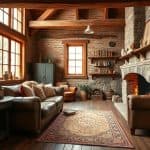

Walking into a room that feels welcoming and cozy often depends on one key element: texture. I visited a friend’s newly renovated apartment and felt the warmth immediately. Mojo Stumer’s Rolling Hill House project showed how wood textures on floors, walls, and furniture can change a space.
The light through large windows cast beautiful shadows, adding depth. This made me think about texture’s power to make a space inviting.
Texture in design is more than just looks; it shapes a room’s mood and feel. Mixing smooth marble with rough wood or a velvet sofa with sleek metal changes everything. Let’s explore how texture can transform our spaces.
Key Takeaways
- Texture is essential for creating depth and visual interest in interior design.
- Using a mix of materials like wood, stone, and textiles enhances a space’s feel.
- Tactile and visual textures affect a room’s aesthetics and comfort.
- Different textures prevent monotony and make an environment more engaging.
- Textured rugs and patterned wallpaper add significant character.
- Understanding texture’s power is key to improving any space.
Understanding Texture in Design
Texture is key in how we feel and see our world. It includes how surfaces feel and look. A room with different textures, like soft fabrics and rough surfaces, can make us feel certain ways. The right mix of textures makes a space look good and feel comfortable.
What is Texture?
Texture covers many aspects of a surface. Tactile texture is what we touch, affecting our senses. Soft materials like velvet and cotton feel cozy and warm. Harder materials, like wood and stone, feel strong and add character.
Visual texture tricks our eyes, making things look like other materials. Faux finishes can make a space look like it has real materials, without actually having them.
Importance of Texture in Interior Design
In interior design, texture adds depth and interest. Mixing textures can turn a plain space into a lively one. Combining smooth and rough textures creates contrast, grabbing our attention.
This mix greatly affects the mood and style of a space. For example, smooth textures can make a room feel formal. Rougher textures can make it feel more relaxed.
How Texture Adds Depth and Warmth
Texture is key in interior design, adding depth and warmth. It makes spaces feel inviting. By mixing different materials, I create spaces that show personality and connect with people.
Creating Contrast with Different Materials
Using various materials creates striking contrasts. For instance, wood and metal together make a room lively. This mix of textures makes spaces interesting and inviting.
Textured walls and decorative pieces bring layers to life. They catch the eye and engage the senses.
Impact on Mood and Atmosphere
Texture does more than look good; it affects mood. Soft textures, like throws, make a space cozy. Hard materials, like glass, add modernity.
This balance of textures shapes the atmosphere of a space. It sets the stage for different emotions. The way light and shadow move over textures adds to the depth and uniqueness of each material.
Easy Ways to Incorporate Texture
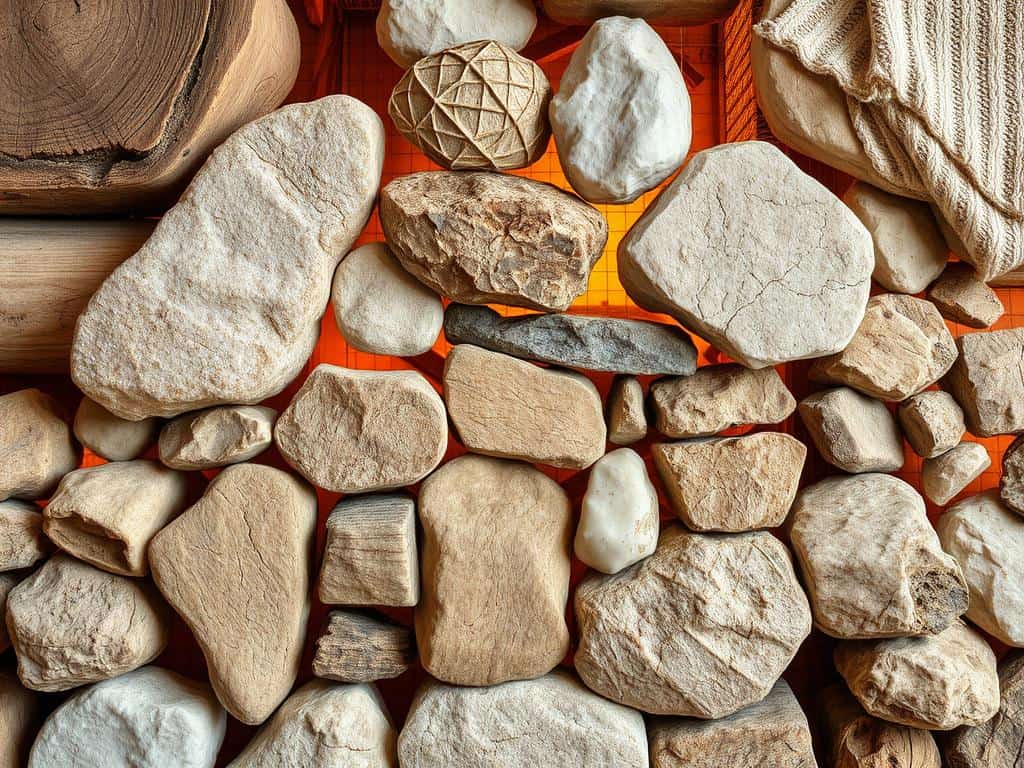
Adding texture to a space can change its feel and look. Simple steps can make a big difference. Mixing fabrics and finishes adds interest and warmth.
Try pairing plush linens with rugged leathers or chunky knits with sleek metals. Adding rugs, throws, and cushions makes the space feel richer.
Mixing Fabrics and Finishes
Trying out different fabrics lets you show off unique textures. Velvet and linen together can feel luxurious. Smooth and rough surfaces catch the eye.
Adding accessories like scatter cushions or throws with cool patterns adds depth. Wood and plants work well with textured fabrics, making your space cozy.
Utilizing Wall Treatments for Visual Interest
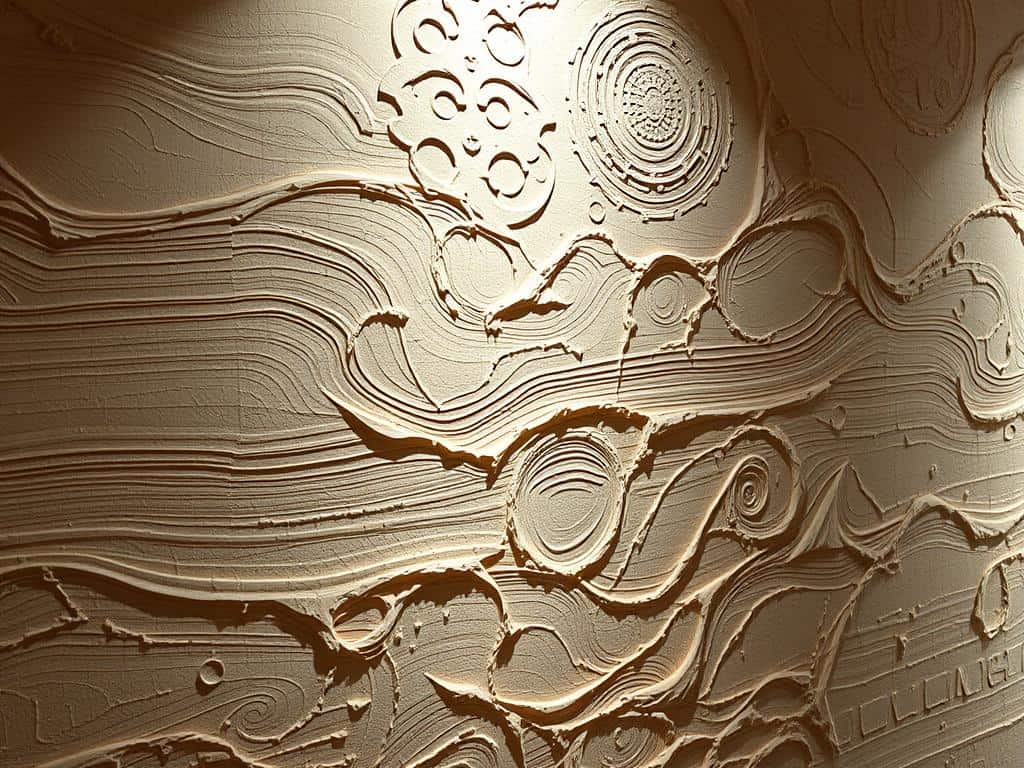
Using different wall finishes is a great way to add texture. Textured paint can be a fun background, making a statement. Shiplap or grasscloth wallpaper can make a room stand out.
These treatments go well with layered textiles, creating a cozy yet stylish spot. You can also try faux materials that look like natural scenes for a unique touch.
Conclusion
The path to effective texture integration in design is all about creativity and making things personal. Textures do more than just add beauty; they bring depth, warmth, and character to a space. For example, the softness of linen throws or the rustic look of reclaimed wood can make a space truly special.
Choosing the right textures can change how a room looks and feels. They engage our senses, bringing back memories and emotions. This creates a sense of luxury and comfort, making a house feel like a home.
Exploring transformative design, I see how textures can change our spaces. In today’s world, where we spend a lot of time online, touching natural materials is important. It improves our well-being and connects us to nature. Every texture choice I make makes my space more beautiful and enriches my life, creating a peaceful haven.