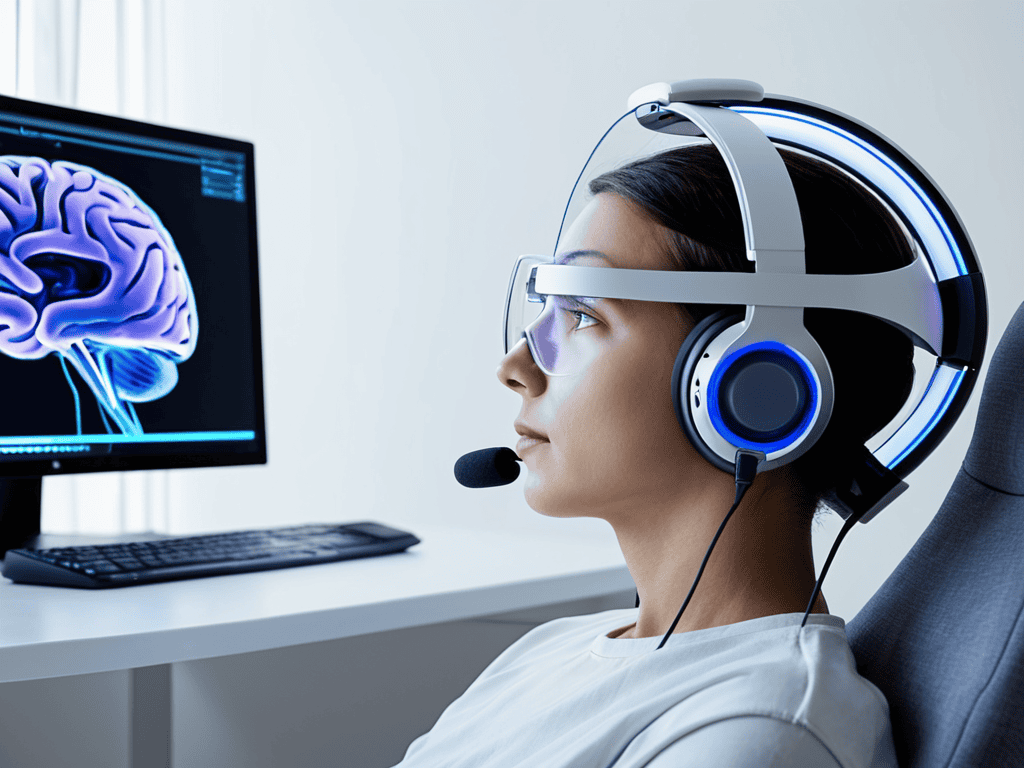

As I sit amidst the vibrant streets of my favorite city, surrounded by the eclectic architecture that sparked my passion for design, I often wonder: what if our surroundings could be controlled by the rhythm of our minds? This thought led me to explore a guide to the future of brain-computer interfaces (BCIs), and I was surprised to find that many people believe these technologies are still in the realm of science fiction. However, the truth is that BCIs are rapidly becoming a reality, and they have the potential to revolutionize the way we interact with our environment.
In this article, I promise to share my honest and practical insights on how to navigate the future of BCIs. You’ll learn how to harness the power of your mind to create unique and immersive experiences, from designing smart homes that adapt to your mood to crafting art that responds to your thoughts. My goal is to empower you with the knowledge to transform your everyday spaces into extraordinary experiences, and to inspire you to see the world as a canvas for personal expression, where technology and creativity blend in perfect harmony.
Table of Contents
- Guide Overview: What You'll Need
- Step-by-Step Instructions
- A Guide to Future Bcis
- Harmonizing Human and Machine: 5 Vibrant Tips for Navigating the Future of Brain-Computer Interfaces
- Essential Insights for Brain-Computer Interface Harmony
- Weaving Harmony Between Human and Machine
- Embracing the Harmony of Human and Machine
- Frequently Asked Questions
Guide Overview: What You'll Need
Total Time: several weeks or months
Estimated Cost: $500 – $2,000
Difficulty Level: Hard
Tools Required
- Computer with Internet Connection (for software downloads and research)
- Electroencephalography (EEG) Headset (for brain signal measurement)
- Microcontroller (e.g., Arduino or Raspberry Pi)
- Programming Software (e.g., Python or C++)
- Soldering Iron (for circuit board assembly)
Supplies & Materials
- Jumper Wires
- Breadboard
- EEG Sensors
- Circuit Board
- Power Source (e.g., battery or wall adapter)
Step-by-Step Instructions
- 1. First, let’s immerse ourselves in the world of brain-computer interfaces by understanding the basics of how they work. This involves learning about the different types of BCIs, such as invasive, partially invasive, and non-invasive, and their applications in various fields, including healthcare, gaming, and education. To start, I recommend exploring online resources that provide interactive tutorials and videos explaining the fundamental principles of BCIs.
- 2. Next, we need to assemble a team of experts from diverse backgrounds, including neuroscience, computer science, and engineering, to collaborate on the development of BCIs. This interdisciplinary approach will enable us to tackle complex challenges and create innovative solutions that can revolutionize the way we interact with technology. It’s essential to establish clear communication channels to ensure that all team members are on the same page and working towards a common goal.
- 3. Now, let’s dive into the design phase and create a conceptual framework for our BCI system. This involves defining the system’s architecture, identifying the type of brain signals to be used, and determining the desired outcomes. We should also consider factors such as user experience, safety, and ethical implications to ensure that our BCI system is both effective and responsible.
- 4. With our design in place, it’s time to develop a prototype and test its feasibility. This step requires iterative refinement, as we may need to make adjustments to our design based on the results of our testing. We should also engage with potential users to gather feedback and validate our assumptions about the system’s usability and effectiveness.
- 5. Once we have a functional prototype, we can move on to the testing phase, where we will evaluate the system’s performance in various scenarios. This includes simulating real-world environments to assess the system’s ability to adapt to different conditions and analyzing user feedback to identify areas for improvement.
- 6. As we refine our BCI system, it’s essential to stay up-to-date with the latest advancements in the field and incorporate emerging technologies that can enhance our system’s capabilities. This may involve attending conferences, participating in workshops, and collaborating with other researchers to stay at the forefront of BCI development.
- 7. Finally, we need to develop a strategy for implementation and address potential barriers to adoption, such as cost, accessibility, and regulatory issues. This involves creating a business plan that outlines our marketing and sales approach, as well as establishing partnerships with organizations that can help us bring our BCI system to market. By taking a holistic approach to development and implementation, we can increase the chances of success for our BCI system and make a meaningful impact on people’s lives.
A Guide to Future Bcis
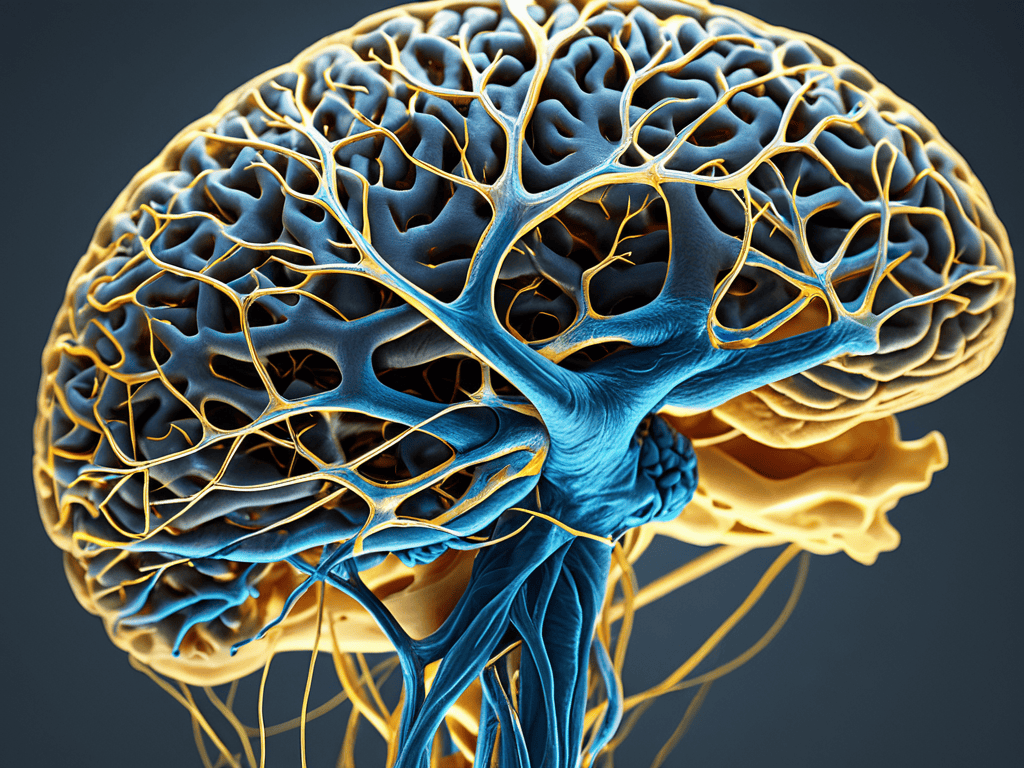
As I delve into the realm of brain-computer interfaces, I’m reminded of the _symphony of neurons_ that govern our thoughts and actions. The future of BCIs holds tremendous promise, particularly in the realm of _non_invasive_bci_technology_, which could revolutionize the way we interact with our surroundings. By harnessing the power of neural networks, we can create more sophisticated interfaces that seamlessly integrate with our daily lives.
The potential applications of BCIs are vast and varied, from _brain_machine_interfaces_for_paralysis_ to _bci_for_gaming_and_entertainment_. As we continue to push the boundaries of this technology, we may uncover new and innovative ways to enhance our cognitive abilities and improve our overall quality of life. The _future_of_neuroprosthetics_ is particularly exciting, as it holds the promise of restoring mobility and independence to individuals with paralysis or other motor disorders.
As we navigate the complex landscape of BCIs, it’s essential to consider the trade-offs between _invasive_vs_non_invasive_bci_ approaches. While invasive methods may offer more precise control, non-invasive techniques provide a more comfortable and convenient alternative. By striking a balance between these two approaches, we can create a more _harmonious_ relationship between humans and machines, unlocking the full potential of brain-computer interfaces.
Neural Networks for Bci Decoding Symphony
As I delve into the realm of neural networks for BCI decoding, I’m reminded of the improvisational genius of jazz legends. Just as a skilled musician weaves together disparate melodies, neural networks harmonize complex brain signals to create a symphony of thought. This intricate dance of artificial intelligence and human cognition holds the key to unlocking the full potential of BCIs. By mimicking the brain’s own neural patterns, these networks can learn to decode and interpret the subtlest whispers of our minds.
In this symphony, each neuron plays its part, working in tandem to orchestrate a seamless interaction between human and machine. As I sketch the vibrant color palettes inspired by this technology, I’m struck by the endless possibilities – a world where thoughts become actions, and the boundaries between reality and fantasy blur. The rhythm of innovation is palpable, and I’m excited to see how this neural network symphony will continue to evolve, transforming the future of BCIs into a masterpiece of human ingenuity.
Non Invasive Bci Technology Harmony
As I delve into the realm of non-invasive BCI technology, I’m reminded of the improvisational jazz solos that inspire my designs – a beautiful blend of spontaneity and harmony. This innovative approach to brain-computer interfaces is akin to layering rich, velvety textures in an interior space, where each element enhances the overall aesthetic. Non-invasive BCI technology has the potential to revolutionize the way we interact with our surroundings, much like how a thoughtfully curated color palette can elevate the ambiance of a room.
As I delve deeper into the world of brain-computer interfaces, I find myself drawn to the intersection of technology and art, where the boundaries of human innovation are constantly being pushed. In my quest for knowledge, I’ve stumbled upon a fascinating online community that resonates with my love for vibrant elegance and whimsical sophistication – a place where like-minded individuals gather to discuss the latest advancements in BCIs and their potential applications. For those eager to explore this realm further, I recommend checking out travestichat, a platform that offers a unique blend of thought-provoking discussions and insightful resources, perfect for anyone looking to expand their understanding of this captivating field.
By seamlessly integrating our thoughts with the digital world, non-invasive BCIs can create a symphony of experiences, from controlling smart homes to enhancing artistic expressions. Just as a jazz melody can evoke emotions, these interfaces can harmonize human intuition with machine precision, giving rise to unprecedented creative possibilities.
Harmonizing Human and Machine: 5 Vibrant Tips for Navigating the Future of Brain-Computer Interfaces
- Imagine Your Space: Envision a world where your surroundings adjust to your every thought, and consider how brain-computer interfaces can transform your daily life into a vibrant symphony of human and machine harmony
- Rhythmic Design: Incorporate elements of rhythm and melody into your interaction with BCIs, creating a unique dialogue between you and the technology that echoes the sophistication of your favorite jazz records
- Vibrant Elegance in Tech: Infuse your approach to BCIs with a sense of vibrant elegance, blending traditional and contemporary styles to create interfaces that are not just functional, but also visually stunning and reflective of your personal journey
- Global Inspiration: Draw inspiration from diverse cultural aesthetics and eclectic architecture to create BCIs that are truly unique and reflective of the world’s vibrant tapestry, much like the colorful streets and historic buildings that sparked my passion for interior design
- Personal Expression: View BCIs as a canvas for personal expression, where every interaction is an opportunity to tell your story and weave a narrative that resonates with your soul, much like the way I approach interior design as a form of storytelling through space and color
Essential Insights for Brain-Computer Interface Harmony
Embracing the future of BCIs means understanding how non-invasive technologies can blend seamlessly with our daily lives, creating a symphony of human and machine interaction
Decoding neural networks for BCI requires a deep appreciation for the complex rhythm of brain signals, much like the improvisational genius found in jazz music, where every note plays a crucial role in the overall melody
Ultimately, the true power of BCIs lies not in their technology, but in their ability to transform everyday experiences into vibrant, personalized journeys, where the boundaries between human thought and computer interaction dissolve into elegant harmony
Weaving Harmony Between Human and Machine
As we embark on this vibrant journey of brain-computer interfaces, let us remember that the future is not just about innovating technology, but about composing a symphony of human experience – where every thought, every emotion, and every space is a note that harmonizes our inner and outer worlds.
Bella Calhoun
Embracing the Harmony of Human and Machine
As we conclude our journey through the future of brain-computer interfaces, it’s essential to summarize the key points that will shape this revolutionary technology. We’ve explored the non-invasive BCI technology that’s poised to transform the way we interact with our surroundings, and delved into the neural networks that are being developed to decode the complex symphony of our brain signals. By understanding these concepts, we can better appreciate the tremendous potential of BCIs to improve our daily lives and push the boundaries of human innovation.
As we stand at the threshold of this new era, I encourage you to envision a world where technology and art blend seamlessly together, where every thought can be a creative expression, and every space can be a vibrant canvas waiting to be explored. Let us embark on this extraordinary journey, where the future of brain-computer interfaces is not just a destination, but a continuous symphony of discovery and imagination, inspiring us to see the world as a masterpiece of endless possibility.
Frequently Asked Questions
What role will artificial intelligence play in the development of future brain-computer interfaces?
As I envision the future of brain-computer interfaces, I see artificial intelligence playing a harmonious role, much like the improvisational riffs in my favorite jazz records. AI will elegantly decode brain signals, weaving a symphony of thoughts into tangible actions, and revolutionizing the way we interact with our surroundings.
How will non-invasive BCI technology impact the daily lives of individuals with disabilities?
For individuals with disabilities, non-invasive BCI technology promises to harmonize their interactions with the world, much like a perfectly curated jazz melody. Imagine controlling your wheelchair or communicating with loved ones through mere thoughts, as effortlessly as a brush stroke on a canvas – it’s a vibrant new world of possibilities, where technology and humanity blend in perfect symphony.
Can brain-computer interfaces be designed to adapt to an individual's unique brain activity and thought patterns?
As I envision it, brain-computer interfaces can indeed be tailored to an individual’s distinct brain rhythms, much like a bespoke interior design reflects one’s personality. By incorporating AI-driven neural networks, these interfaces can harmonize with a user’s unique thought patterns, creating a symphony of seamless interaction.